Easy Grain Bowls for a Quick, Colorful Lunch
Grain bowls are the ultimate customizable lunch option. They’re packed with nutrients, incredibly versatile, and can be whipped up in minutes. This guide provides everything you need to create delicious and visually appealing grain bowls perfect for a quick, colorful midday meal. We’ll cover everything from choosing your grains and proteins to incorporating vibrant vegetables and flavorful dressings. Get ready to transform your lunch routine!
Choosing Your Base: The Perfect Grain
The foundation of any great grain bowl is, well, the grain! Choosing the right grain not only impacts the flavor and texture but also the nutritional value. Here are some excellent options:
- Quinoa: A complete protein, quinoa is a fantastic choice for vegans and vegetarians. It cooks quickly and has a slightly nutty flavor that pairs well with a variety of ingredients. Rinse it thoroughly before cooking to remove any bitterness.
- Brown Rice: A classic and reliable option, brown rice is a good source of fiber and has a slightly chewy texture. Cook a big batch at the beginning of the week for easy bowl assembly.
- Farro: This ancient grain has a delightful nutty flavor and a satisfying chewy texture. It’s also a good source of protein and fiber. Farro requires a bit more cooking time than quinoa, so plan accordingly.
- Barley: Often overlooked, barley is a great source of fiber and has a slightly sweet and nutty flavor. Pearl barley is the most common variety and cooks relatively quickly.
- Freekeh: This roasted green wheat has a smoky flavor and a chewy texture. It’s a good source of protein and fiber and adds a unique twist to your grain bowl.
Tips for Cooking Grains:
- Rinse thoroughly: Rinsing grains before cooking removes excess starch and can improve the texture.
- Use the right water-to-grain ratio: Follow package directions for best results.
- Cook in broth for added flavor: Substitute water with vegetable or chicken broth for a more flavorful base.
- Cook in batches: Cook a large batch of grains at the beginning of the week and store them in the refrigerator for easy access.
- Fluff with a fork: After cooking, fluff the grains with a fork to prevent them from clumping together.
Protein Power: Adding Substance and Flavor
Protein is essential for feeling full and energized throughout the afternoon. Here are some protein options to elevate your grain bowl:
- Grilled Chicken or Tofu: Grilled chicken breast or firm tofu (pressed and cubed) are both excellent sources of lean protein. Season them with your favorite spices or marinades before cooking.
- Roasted Chickpeas: A vegetarian staple, roasted chickpeas are packed with protein and fiber. Toss them with olive oil and spices like cumin, paprika, and garlic powder before roasting.
- Hard-Boiled Eggs: A simple and convenient protein option, hard-boiled eggs can be prepared in advance and added to your bowl for a boost of nutrients.
- Black Beans or Lentils: These legumes are excellent sources of protein and fiber. Canned beans are a convenient option, but cooking dried beans from scratch is more economical.
- Salmon: A rich source of omega-3 fatty acids and protein, flaked cooked salmon adds a delicious and healthy element to your grain bowl.
Preparing Your Protein:
- Marinate for flavor: Marinate your chicken or tofu for at least 30 minutes before cooking to infuse it with flavor.
- Roast for convenience: Roast chickpeas or other vegetables in large batches for easy additions to your bowls.
- Cook ahead of time: Prepare your protein in advance and store it in the refrigerator for quick assembly.
- Season generously: Don’t be afraid to experiment with different spices and herbs to create flavorful protein options.
Vibrant Veggies: The Key to a Colorful Lunch
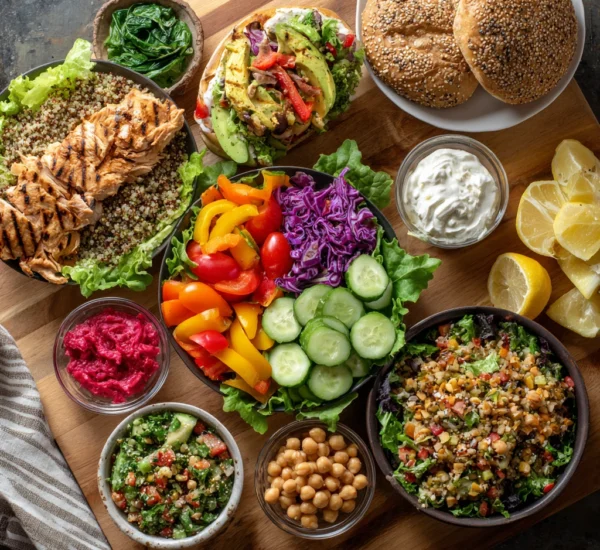
Vegetables are what truly make a grain bowl colorful and nutritious. Aim for a variety of colors and textures to create a visually appealing and satisfying meal.
- Leafy Greens: Spinach, kale, romaine lettuce, or mixed greens provide a base of vitamins and minerals.
- Roasted Vegetables: Roasted sweet potatoes, Brussels sprouts, broccoli, or cauliflower add a touch of sweetness and heartiness.
- Raw Vegetables: Diced cucumbers, bell peppers, carrots, or tomatoes provide a refreshing crunch.
- Pickled Vegetables: Pickled onions, radishes, or cucumbers add a tangy and flavorful kick.
- Avocado: A source of healthy fats, avocado adds a creamy texture and rich flavor.
Tips for Preparing Vegetables:
- Roast for sweetness: Roasting vegetables brings out their natural sweetness.
- Chop for convenience: Chop your vegetables in advance and store them in the refrigerator for easy assembly.
- Use seasonal produce: Choose vegetables that are in season for the best flavor and nutritional value.
- Don’t be afraid to experiment: Try different combinations of vegetables to find your favorites.
Dressings and Toppings: The Finishing Touches
The dressing and toppings are what tie everything together and add the final layer of flavor and texture.
- Lemon Vinaigrette: A simple vinaigrette made with lemon juice, olive oil, Dijon mustard, and honey is a classic choice.
- Tahini Dressing: A creamy and nutty dressing made with tahini, lemon juice, garlic, and water.
- Peanut Sauce: A flavorful and savory dressing made with peanut butter, soy sauce, rice vinegar, and honey.
- Sriracha Mayo: A spicy and creamy dressing made with mayonnaise and sriracha sauce.
Topping Ideas:
- Nuts and Seeds: Toasted almonds, pumpkin seeds, sunflower seeds, or sesame seeds add a satisfying crunch.
- Fresh Herbs: Chopped cilantro, parsley, mint, or basil add a burst of fresh flavor.
- Crumbled Cheese: Feta, goat cheese, or Parmesan cheese add a salty and tangy element.
- Sprouts: Alfalfa sprouts, broccoli sprouts, or radish sprouts add a boost of nutrients.
- Everything Bagel Seasoning: Adds a savory and flavorful finish.
Creating the Perfect Dressing:
- Balance flavors: Aim for a balance of sweet, sour, salty, and savory.
- Adjust to taste: Adjust the ingredients to your liking.
- Emulsify properly: Whisk the ingredients together vigorously to create a smooth and emulsified dressing.
- Store in the refrigerator: Store leftover dressing in the refrigerator for up to a week.
Putting It All Together: Building Your Bowl
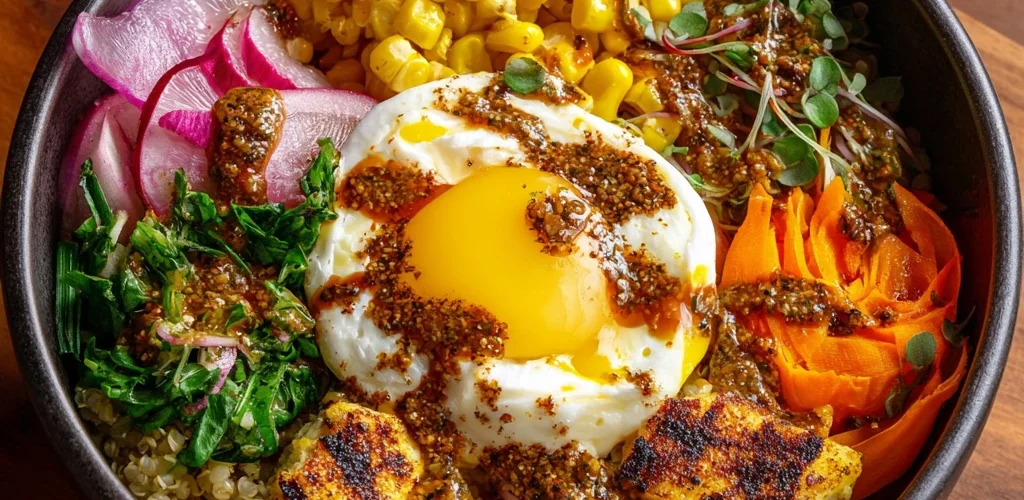
Now that you have all your components, it’s time to assemble your grain bowl! Here’s a step-by-step guide:
1. Choose your grain: Start with a base of your favorite cooked grain.
2. Add your protein: Add a generous portion of your chosen protein.
3. Pile on the vegetables: Add a variety of colorful and nutritious vegetables.
4. Drizzle with dressing: Drizzle your chosen dressing over the top.
5. Add toppings: Sprinkle with your favorite toppings for added flavor and texture.
Tips for Building a Great Grain Bowl:
- Layer flavors and textures: Combine different flavors and textures to create a more interesting and satisfying bowl.
- Don’t be afraid to experiment: Try different combinations of ingredients to find your favorites.
- Prep in advance: Prepare your grains, protein, and vegetables in advance for quick and easy assembly.
- Store components separately: Store the components of your grain bowl separately to prevent them from becoming soggy.
- Get creative: Have fun and let your imagination run wild!
By following these tips and guidelines, you can create delicious and visually appealing grain bowls that are perfect for a quick, colorful, and healthy lunch. Experiment with different ingredients and flavor combinations to find your favorites. Grain bowls are a fantastic way to incorporate more whole grains, protein, and vegetables into your diet. Enjoy!
Frequently Asked Questions (FAQs)
- What are some healthy grains for a grain bowl?
Healthy grains for grain bowls include quinoa, brown rice, farro, barley, and freekeh. These grains are packed with fiber, protein, and essential nutrients.
- How can I meal prep grain bowls for the week?
To meal prep grain bowls, cook your grains, protein, and roast vegetables in advance. Store each component separately in airtight containers in the refrigerator. Assemble your bowls just before eating.
- What are some good vegetarian protein options for grain bowls?
Excellent vegetarian protein options include roasted chickpeas, black beans, lentils, tofu, and hard-boiled eggs.
- How do I keep my grain bowl from getting soggy?
To prevent sogginess, store the dressing separately and add it just before eating. Also, avoid adding wet ingredients like tomatoes or cucumbers directly to the bowl too far in advance.
- What is a good basic dressing for a grain bowl?
A simple lemon vinaigrette made with lemon juice, olive oil, Dijon mustard, and a touch of honey is a versatile and delicious basic dressing for grain bowls.
- Can I add fruit to my grain bowl?
Yes! Fruits like berries, apples, and pomegranate seeds can add a touch of sweetness and extra nutrients to your grain bowl.
- How long do grain bowls last in the fridge?
Assembled grain bowls are best consumed within 1-2 days when stored in the refrigerator. The individual components, when stored separately, can last up to 4-5 days.
- Are grain bowls good for weight loss?
Grain bowls can be a healthy option for weight loss, provided you choose whole grains, lean proteins, and plenty of vegetables. Watch your portion sizes and avoid overly sugary or high-fat dressings.